


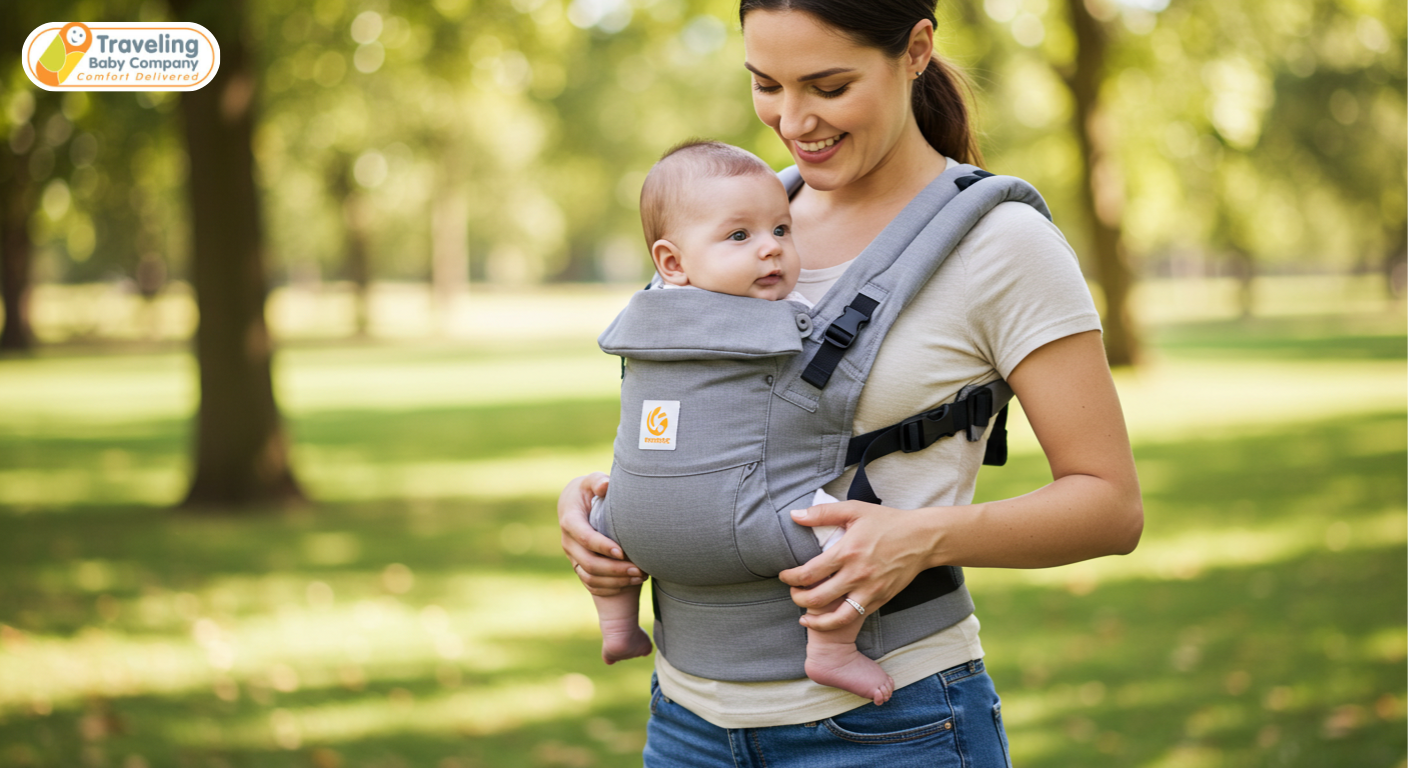
Parenting on the go comes with its own set of challenges. Whether it’s running errands, traveling, or just moving around the house, parents often look for tools that make life easier without sacrificing their baby’s comfort. A baby carrier is one of those essential tools, an all-in-one solution for mobility, bonding, and convenience. In this blog, we explore why a baby carrier is more than just a piece of baby gear; it's an everyday necessity for modern parents.
What Is a Baby Carrier?
A baby carrier is a wearable device that allows you to carry your baby close to your body using straps, wraps, or structured fabric. Carriers support the baby while freeing up your hands, making it easier to multitask while keeping your child safe and secure. There are different types of carriers, including structured carriers, wraps, slings, and hybrids. Each comes with unique benefits depending on the baby’s age and the parents’ lifestyle.
Benefits of Using a Baby Carrier
1. Promotes Bonding and Comfort
Using a baby carrier helps establish a strong emotional connection between parent and child. Babies feel secure with skin-to-skin contact, and parents can respond quickly to their needs.
2. Convenience for Everyday Activities
Whether you’re grocery shopping, cooking, or walking the dog, having both hands free while still holding your baby is invaluable. This flexibility is especially important in fast-paced lifestyles or while traveling.
Breaking Down the Baby Carrier Options
Structured Carrier
Structured carriers offer padded shoulder straps and waist belts, ideal for longer wear. These can include models similar to a baby bjorn carrier or infantino baby carrier, known for their ergonomic support and adjustable features.
Wrap Carriers
Wraps are long pieces of fabric that distribute the baby’s weight evenly. Learning baby wrap carrier how to tie newborn may seem tricky at first, but once mastered, wraps provide a snug and soothing environment for infants.
Soft-Structured and Hybrid Carriers
These blend the benefits of wraps and structured carriers and are often considered by parents looking for the best baby carrier in terms of flexibility and support.
When to Start Using a Baby Carrier?
Many parents wonder, when to start using a baby carrier? The good news is, babywearing can start right after birth, provided the carrier supports the baby's head, neck, and hips properly. For newborns, wraps or slings are often ideal due to their softness and snug fit. As babies grow, you can transition to structured carriers that support heavier weights.
Forward-Facing and Safety Guidelines
When Can Baby Face Forward in Carrier?
Experts usually recommend waiting until the baby has strong neck and head control, typically around 5 to 6 months, before using a forward-facing position. So, if you're wondering when can baby face forward in carrier, it’s best to wait until these developmental milestones are met.
When Can Baby Face Out in a Carrier?
The question of when can baby face out in carrier often arises when babies begin to show interest in their surroundings. Again, it’s crucial to ensure that your baby has proper head and neck control and that the carrier supports the seated position to avoid strain on the spine and hips.
Travel-Friendly Babywearing Solutions
Why Carriers Are Ideal for Travel
Parents who travel frequently will find a baby carrier to be more portable and versatile than a stroller. Navigating airports, climbing stairs, or hiking trails becomes easier with a carrier. When traveling, some families prefer not to bring bulky baby items and instead rely on services like baby gear rental. If you’re considering this option, you can also look into car seat rental, baby furniture rental, or even entire solutions offered by a traveling baby company. These services allow you to rent baby gear at your destination, reducing the hassle of packing and carrying everything.
Babywearing Do’s and Don’ts
Do:
-
Always check that the baby’s airways are clear.
-
Ensure proper posture with knees higher than the bum.
-
Follow the instructions on baby wrap carrier how to tie newborn techniques.
-
Check for proper weight and age suitability before using any carrier.
Don’t:
-
Don’t wear the baby too low or too loose.
-
Avoid facing the baby outward for long periods if they are under 6 months.
-
Don’t use damaged or unverified carriers.
Carrier Maintenance and Hygiene
Regularly check out your carrier for wear and tear. Fabric wraps should be washed often, especially after outdoor use. Structured carriers can often be wiped clean, but always refer to the manufacturer’s cleaning guidelines. When renting a carrier through a baby gear rental or traveling baby company, check their hygiene and safety practices. Most reputable services clean and sanitize gear before each use.
Conlcuion
A baby carrier simplifies your life while enhancing the parenting experience. From newborn cuddles to toddler explorations, it grows with your child, offers flexibility, and improves emotional bonding. Whether at home or on vacation, Traveling Baby Company proves to be a practical and meaningful choice. It’s no surprise that many families looking for the best baby carrier opt to buy or rent baby gear as needed. Just remember, the key is comfort for both you and your baby.

